
Perimenopause vs Menopause Understanding the Difference, Symptoms, and What to Expect
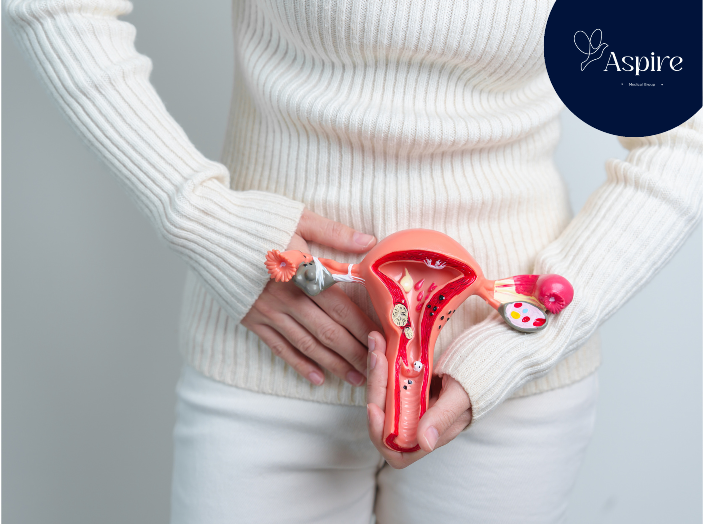
Hormonal changes during midlife can feel confusing, especially when terms like “perimenopause” and “menopause” are often used as if they mean the same thing. Many women notice irregular periods, mood swings, sleep problems, or sudden hot flashes and wonder what exactly is happening to their bodies.
The truth is that perimenopause and menopause are two different stages of the same natural transition. Understanding the difference can help women recognize symptoms earlier, make informed health decisions, and feel more prepared for the changes ahead.
In this guide, you’ll learn what perimenopause and menopause actually mean, the common symptoms associated with each stage, how long these phases may last, and practical ways to manage the transition more comfortably.
Understanding Perimenopause vs Menopause
What Is Perimenopause?
Perimenopause is the transitional phase leading up to menopause. During this stage, the ovaries gradually begin producing less estrogen and progesterone, causing hormone levels to fluctuate unpredictably.
For many women, perimenopause begins sometime in their 40s, although it can start earlier for some. It does not happen overnight. Instead, it develops gradually over several years.
A woman in perimenopause may still have menstrual periods, but they often become irregular. One month the cycle may be shorter, while the next month it may be delayed. Symptoms can come and go, making the phase feel unpredictable.
Real-life experiences vary widely. Some women notice only mild changes, while others experience symptoms intense enough to affect daily routines, relationships, and sleep quality.
What Is Menopause?
Menopause is officially diagnosed after a woman has gone 12 consecutive months without a menstrual period. It marks the end of reproductive years and signals that ovulation has stopped permanently.
Unlike perimenopause, menopause itself is not a long phase. It is a milestone or point in time. After that milestone, a woman enters postmenopause.
Hormone levels, especially estrogen, remain consistently lower after menopause. While some symptoms may improve over time, others can continue for years.
The average age of menopause is typically between 45 and 55 years, although timing differs from person to person.
Causes of Perimenopause and Menopause
The primary cause of both perimenopause and menopause is the natural aging process and the gradual decline of ovarian function.
As women age, the ovaries produce fewer reproductive hormones, particularly estrogen and progesterone. These hormonal shifts affect multiple systems throughout the body.
Several factors may influence when menopause begins, including:
Genetics
Family history often plays a major role. Women may experience menopause around the same age as their mothers or older sisters.
Lifestyle Factors
Smoking, chronic stress, poor sleep, and lack of physical activity may contribute to earlier hormonal changes.
Medical Conditions or Treatments
Certain surgeries, chemotherapy, radiation therapy, or autoimmune disorders can trigger early menopause.
Common Symptoms of Perimenopause and Menopause
Symptoms vary greatly from one woman to another. Some women experience only minor discomfort, while others face symptoms that significantly impact quality of life.
Irregular Periods
One of the earliest and most noticeable signs of perimenopause is a change in menstrual cycles. Periods may become lighter, heavier, shorter, or more widely spaced apart.
Hot Flashes
Hot flashes are sudden feelings of heat that often affect the face, neck, and upper body. They may last a few seconds or several minutes.
For many women, hot flashes can occur unexpectedly during work meetings, social events, or even while relaxing at home.
Night Sweats
Night sweats are hot flashes that happen during sleep. They can cause excessive sweating, interrupted sleep, and daytime fatigue.
Mood Changes
Hormonal fluctuations can affect emotional well-being. Irritability, anxiety, sadness, or mood swings are common during perimenopause.
Some women describe feeling emotionally overwhelmed by situations they previously handled easily.
Sleep Problems
Falling asleep or staying asleep may become difficult. Sleep disturbances are often linked to night sweats, stress, or hormonal changes.
Brain Fog
Many women report forgetfulness, difficulty concentrating, or feeling mentally “foggy” during this stage.
Vaginal Dryness
Reduced estrogen levels can thin vaginal tissues and decrease natural lubrication, causing discomfort or pain during intimacy.
Weight Gain
Hormonal changes may slow metabolism and shift fat storage toward the abdominal area. Even women who maintain the same eating habits may notice changes in body composition.
Risks and Long-Term Health Effects
Hormonal changes during menopause affect more than reproductive health. Estrogen plays an important role throughout the body, including the brain, heart, bones, skin, and metabolism.
Bone Density Loss
Lower estrogen levels can weaken bones over time, increasing the risk of osteoporosis and fractures.
Heart Health Concerns
After menopause, women may face a higher risk of cardiovascular disease due to changes in cholesterol levels and blood vessel health.
Metabolic Changes
Menopause may contribute to increased belly fat, insulin resistance, and slower calorie burning.
Emotional Health Challenges
Persistent sleep issues, anxiety, or mood changes can affect mental and emotional wellness if left unmanaged.
Understanding these risks allows women to take preventive steps earlier rather than waiting for symptoms to worsen.
Treatment and Management Options
There is no single treatment that works for everyone. Management depends on symptom severity, medical history, and personal preferences.
Lifestyle Changes
Healthy daily habits can make a significant difference during perimenopause and menopause.
Regular Exercise
Physical activity supports heart health, mood stability, bone strength, and metabolism.
Walking, yoga, strength training, and swimming are commonly recommended forms of exercise for midlife women.
Balanced Nutrition
A nutrient-rich diet helps support energy levels, bone health, and weight management.
Foods rich in calcium, vitamin D, protein, fruits, vegetables, and healthy fats are especially beneficial.
Stress Management
Stress may intensify symptoms like hot flashes and sleep disturbances. Meditation, breathing exercises, journaling, and hobbies can help reduce emotional strain.
Medical Treatments
Hormone Therapy
Hormone replacement therapy (HRT) may help relieve symptoms like hot flashes, vaginal dryness, and sleep problems for some women.
Because hormone therapy is not suitable for everyone, medical guidance is essential.
Non-Hormonal Medications
Certain prescription medications may help manage hot flashes, mood changes, or sleep issues.
Supplements
Some women use supplements to support bone health or symptom relief. However, supplements should only be taken under medical supervision.
Prevention Tips for a Healthier Transition
Menopause cannot be prevented, but women can take steps to support overall health and reduce symptom severity.
Stay Physically Active
Exercise helps maintain muscle mass, improve mood, and support heart health.
Prioritize Sleep
Creating a consistent bedtime routine and limiting screen time before sleep may improve sleep quality.
Avoid Smoking
Smoking is linked to earlier menopause and increased health risks.
Limit Alcohol and Processed Foods
Reducing alcohol and heavily processed foods may help with weight management and sleep quality.
Schedule Regular Health Checkups
Routine screenings for blood pressure, cholesterol, bone density, and overall wellness become increasingly important during midlife.
When Should You See a Doctor?
Although menopause is a natural process, certain symptoms should not be ignored.
It’s important to seek medical advice if you experience:
Extremely heavy or prolonged bleeding
Severe depression or anxiety
Debilitating hot flashes
Sudden menstrual changes before age 40
Persistent sleep problems
Pain during intercourse
Unexplained weight changes
A healthcare provider can determine whether symptoms are related to perimenopause or another underlying condition.
Frequently Asked Questions
What is the main difference between perimenopause and menopause?
Perimenopause is the transition period before menopause when hormones fluctuate and periods become irregular. Menopause is officially diagnosed after 12 months without a menstrual cycle.
How long does perimenopause usually last?
Perimenopause commonly lasts between 4 and 8 years, although some women experience shorter or longer transitions.
Can you get pregnant during perimenopause?
Yes. Ovulation may still occur during perimenopause, so pregnancy is still possible until menopause is officially reached.
What are the first signs of menopause?
Irregular periods, hot flashes, sleep disturbances, mood swings, and night sweats are some of the earliest signs.
Does menopause always cause weight gain?
Not always, but hormonal changes can slow metabolism and change fat distribution, making weight management more challenging.
Are hot flashes permanent?
For most women, hot flashes improve over time, although some may continue experiencing them for several years after menopause.
Conclusion
Perimenopause and menopause are natural stages of life, but that does not mean women have to struggle through them without support or understanding.
Recognizing the difference between perimenopause and menopause can make the transition feel far less overwhelming. From irregular periods and hot flashes to mood changes and sleep disruptions, these symptoms are connected to real hormonal shifts happening throughout the body.
Every woman’s experience is different. Some move through these stages with mild symptoms, while others need medical guidance and lifestyle adjustments to feel their best.
Paying attention to your body, maintaining healthy habits, and seeking professional advice when needed can help make this transition more manageable and empowering.