
Laser Toenail Fungus Removal — What You Should Know Before Your Session
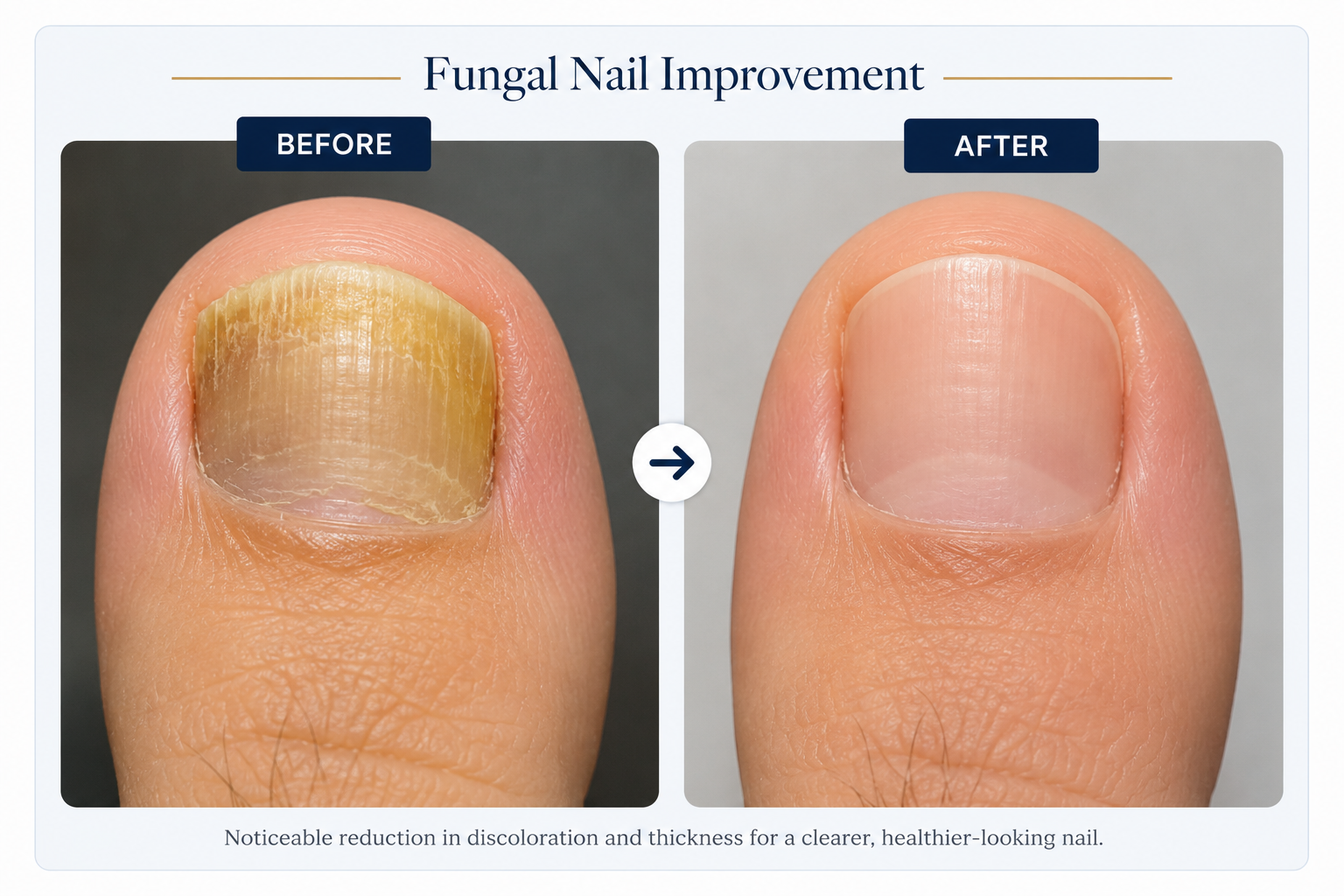
Toenail fungus can start as a tiny discoloration that seems easy to ignore. Over time, though, it may lead to thickened nails, crumbling edges, odor, discomfort, and embarrassment about wearing sandals or going barefoot. Many people spend months trying over-the-counter creams or home remedies before realizing the infection is not going away on its own.
That’s where laser toenail fungus removal has become a popular option. This non-invasive treatment is designed to target fungus beneath the nail without the need for surgery or long-term oral medications. If you are considering laser nail treatment, understanding how it works and what to expect can help you make a more informed decision.
Understanding Laser Toenail Fungus Removal
What Is Toenail Fungus and Laser Nail Treatment?
Toenail fungus, medically known as onychomycosis, is a fungal infection that develops under or around the toenail. It often begins as a white, yellow, or brown spot and slowly spreads deeper into the nail.
As the infection progresses, the nail may become:
Thick and difficult to trim
Brittle or crumbly
Discolored
Misshapen
Painful in severe cases
Laser nail treatment is a modern approach used to target the fungus beneath the nail plate. The laser emits focused light energy that heats and damages fungal organisms while leaving the surrounding healthy tissue largely unaffected.
Unlike surgical nail removal or oral medications, laser therapy is non-invasive and usually requires little to no downtime.
Common Causes of Toenail Fungus
Fungal infections thrive in warm, moist environments, which makes feet especially vulnerable. Everyday habits and health conditions can increase the risk.
Common causes and risk factors include:
Wearing Tight or Closed Shoes
Sweaty shoes and socks create the ideal environment for fungal growth, especially during hot weather or long workdays.
Walking Barefoot in Public Areas
Locker rooms, gyms, pools, and public showers are common places where fungal organisms spread.
Nail Injuries
Even a small crack in the nail can allow fungus to enter and grow beneath the surface.
Poor Circulation or Diabetes
Reduced blood flow can make it harder for the body to fight infections effectively.
Weak Immune System
People with weakened immunity may be more likely to develop recurring fungal infections.
In many cases, the infection develops gradually, which is why people often delay treatment until the nail becomes visibly damaged.
Symptoms of Toenail Fungus
Toenail fungus does not always cause pain at first, which is one reason it often goes untreated for long periods.
Common symptoms include:
Yellow, white, or brown discoloration
Thickened nails
Crumbling edges
Brittle texture
Foul odor
Nail lifting from the nail bed
Discomfort while walking or wearing shoes
Some people also notice that the infection spreads to multiple nails over time.
For example, someone who spends hours daily in work boots may initially notice only mild discoloration on one toenail. Months later, the nail may become thick, difficult to trim, and uncomfortable inside shoes.
Risks of Ignoring Toenail Fungus
Although many people consider toenail fungus a cosmetic issue, untreated infections can worsen over time.
Potential risks include:
Spreading Infection
The fungus may spread to nearby nails or surrounding skin.
Pain and Mobility Problems
Thickened nails can press against shoes and become painful during walking or exercise.
Secondary Infections
People with diabetes or circulation issues are at greater risk of complications.
Emotional and Social Discomfort
Some individuals avoid sandals, swimming pools, or social situations because they feel self-conscious about their nails.
Early treatment often improves the chances of successful recovery and may prevent long-term nail damage.
Why Traditional Treatments Often Fail
Many people try antifungal creams or oral medications before considering laser treatment. While these options can help some cases, they are not always effective.
Topical Creams
Topical treatments often struggle to penetrate thickened nails deeply enough to reach the fungus.
Challenges include:
Daily application for months
Slow improvement
Limited effectiveness in advanced cases
Oral Medications
Prescription antifungal pills can sometimes clear infections, but they may not be suitable for everyone.
Possible concerns include:
Liver-related side effects
Drug interactions
Need for blood monitoring in some cases
Risk of recurrence after treatment ends
Because fungus lives beneath the nail plate, eliminating it completely can be difficult.
How Laser Toenail Fungus Removal Works
Laser treatment uses concentrated light energy directed at the infected nail.
The heat generated by the laser targets fungal organisms beneath the surface while helping preserve healthy surrounding tissue.
Key features of laser therapy include:
Non-invasive procedure
No injections or incisions
Minimal downtime
Short treatment sessions
The procedure is typically performed in a clinic or medical office.
What Happens During a Laser Nail Treatment Session?
Knowing what to expect can reduce anxiety before your appointment.
Before the Procedure
The affected nails are usually:
Cleaned and trimmed
Evaluated for severity
Cleared of nail polish or coatings
The provider may also discuss your medical history and previous treatments.
During the Session
A handheld laser device is passed over the infected nails.
Most patients describe the sensation as:
Mild warmth
Occasional tingling
Brief heat pulses
Sessions commonly last between 15 and 30 minutes depending on how many nails are being treated.
In most cases, anesthesia is not needed.
After the Procedure
Patients can usually return to normal activities immediately after treatment.
There is generally no recovery downtime, although providers may recommend avoiding excessive moisture exposure for a short period.
Is Laser Toenail Fungus Removal Painful?
One of the most common concerns is discomfort during treatment.
Most people tolerate laser nail therapy well. The sensation is usually mild compared to more aggressive procedures like surgical nail removal.
Some individuals experience:
Temporary warmth
Minor tingling
Brief sensitivity
Severe pain is uncommon, though sensitivity levels vary from person to person.
How Effective Is Laser Nail Treatment?
Laser therapy can help destroy active fungal organisms, but visible improvement takes time because toenails grow slowly.
What patients should realistically expect:
Gradual Improvement
The damaged nail does not disappear immediately. Instead, healthier nail growth gradually replaces the infected portion.
Timeline for Results
Early improvement may appear within 3 to 6 months
Full nail regrowth can take 9 to 12 months or longer
Importance of Aftercare
Maintaining good foot hygiene is essential to reduce the risk of recurrence.
Effectiveness can also depend on:
Severity of infection
Number of affected nails
Overall health
Consistency with prevention habits
Treatment and Aftercare Tips
Proper aftercare plays a major role in long-term results after laser fungus removal.
Helpful prevention and recovery tips include:
Keep Feet Dry
Fungus thrives in moist environments. Dry feet thoroughly after showers or exercise.
Change Socks Daily
Breathable socks help reduce moisture buildup.
Disinfect Shoes
Shoes can harbor fungal spores and contribute to reinfection.
Avoid Walking Barefoot in Public Areas
Wear sandals or shower shoes in gyms, locker rooms, and pools.
Trim Nails Properly
Keeping nails short and clean may help reduce fungal growth.
These habits can support healthier nail regrowth after treatment.
Who Is a Good Candidate for Laser Toenail Fungus Removal?
Laser therapy may be suitable for:
Mild to moderate fungal infections
People who cannot take oral antifungal medication
Individuals seeking non-drug treatment options
Patients with recurring infections
Severe infections may require a combination of treatments, including topical or oral medications alongside laser therapy.
A medical evaluation can help determine the best approach.
When to See a Doctor
It is important to seek professional evaluation if you notice:
Worsening nail thickening
Spreading discoloration
Pain while walking
Multiple infected nails
Signs of skin infection around the nail
People with diabetes, circulation issues, or immune system conditions should avoid delaying treatment because complications can develop more easily.
Frequently Asked Questions
How does laser toenail fungus removal work?
Laser treatment uses focused light energy to generate heat that targets and damages fungal organisms beneath the nail.
How many laser sessions are usually needed?
Mild infections may improve after one or two sessions, while moderate or severe cases may require additional treatments.
Is laser nail therapy safe?
Laser treatment is generally considered safe when performed by trained professionals using approved equipment.
How long does it take to see results?
Visible improvement often begins within several months as healthier nail growth gradually replaces the damaged nail.
Can toenail fungus return after treatment?
Yes. Reinfection is possible if proper hygiene and preventive habits are not maintained.
Does insurance cover laser toenail fungus treatment?
Coverage varies by provider and policy. Because toenail fungus treatment is sometimes considered cosmetic, many insurance plans may not fully cover laser therapy.
Conclusion
Toenail fungus can be frustrating, especially when creams and medications fail to deliver lasting results. Laser toenail fungus removal offers a modern, non-invasive option that targets fungal infection beneath the nail while avoiding many of the side effects linked to oral medications.
While results are not immediate, many patients appreciate the convenience, minimal downtime, and gradual improvement that laser therapy can provide. Pairing treatment with good foot hygiene and preventive care is key to reducing recurrence and supporting healthier nail growth.
If you are noticing persistent nail discoloration, thickening, or discomfort, speaking with a qualified specialist can help you explore whether laser nail treatment is the right option for your situation.