
Best Lifestyle Tips to Ease Menopause Symptoms
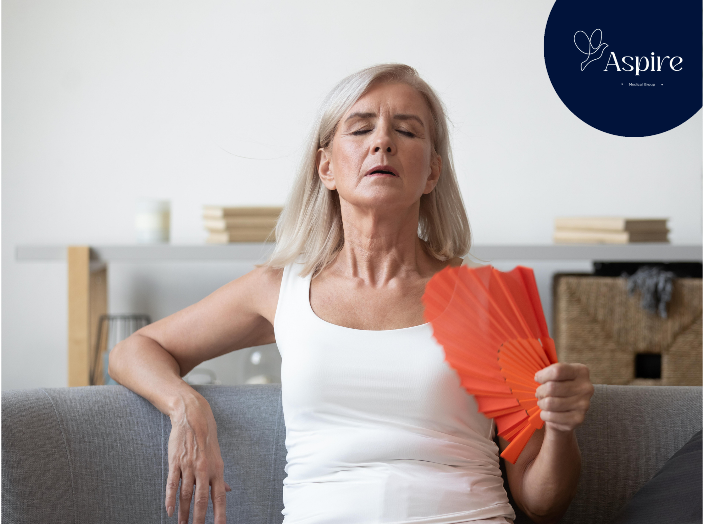
Menopause is a major life transition that every woman experiences differently. For some, it brings occasional hot flashes and mild sleep issues. For others, it can feel overwhelming with mood swings, fatigue, weight changes, and restless nights affecting everyday routines.
The good news is that menopause symptoms can often be managed with simple, sustainable lifestyle habits. Small changes in nutrition, exercise, sleep, and stress management can make a noticeable difference over time.
In this guide, you’ll learn practical and natural ways to ease menopause symptoms, improve daily comfort, and support long-term health during this phase of life.
Lifestyle Changes That Can Help Ease Menopause Symptoms
What Is Menopause?
Menopause is the stage in a woman’s life when menstrual periods permanently stop due to declining hormone levels, especially estrogen and progesterone. It is officially diagnosed after 12 consecutive months without a period.
Most women experience menopause between the ages of 45 and 55, though symptoms may begin earlier during perimenopause, the transition phase leading up to menopause.
Because hormones affect many systems in the body, menopause symptoms can vary widely. Some women notice only mild discomfort, while others experience symptoms that interfere with work, relationships, sleep, and overall wellbeing.
Common symptoms include:
Hot flashes
Night sweats
Mood swings
Sleep disturbances
Weight gain
Brain fog
Fatigue
Joint pain
Reduced energy
Menopause is a natural biological process, not a disease. However, managing symptoms properly can greatly improve quality of life.
What Causes Menopause Symptoms?
The primary cause of menopause symptoms is the decline in estrogen levels. Estrogen influences many important functions in the body, including:
Body temperature regulation
Sleep cycles
Mood stability
Bone strength
Heart health
Metabolism
As hormone levels fluctuate and eventually decline, the body adjusts in ways that can trigger uncomfortable symptoms.
Lifestyle factors can also affect symptom severity. Poor sleep, chronic stress, lack of exercise, smoking, and an unbalanced diet may make menopause symptoms worse.
For example, many women notice stronger hot flashes after drinking alcohol, consuming spicy foods, or dealing with stressful situations. Others may experience increased fatigue due to poor sleep habits or nutritional deficiencies.
Understanding these triggers can help women make better choices for symptom management.
Common Symptoms of Menopause
Menopause symptoms often develop gradually and may change over time.
Hot Flashes and Night Sweats
Hot flashes are sudden feelings of warmth that usually affect the face, neck, and chest. They may last a few seconds or several minutes.
Night sweats are hot flashes that occur during sleep and often lead to interrupted rest and fatigue the next day.
Sleep Problems
Many women struggle with falling asleep or staying asleep during menopause. Hormonal shifts combined with stress and night sweats can disrupt normal sleep patterns.
Lack of quality sleep may also worsen mood changes and energy levels.
Mood Swings and Anxiety
Hormonal fluctuations can affect emotional balance. Some women feel more irritable, anxious, or emotionally sensitive than usual.
Real-life responsibilities can make this even harder. Women managing careers, aging parents, teenagers, or family obligations may feel emotionally drained during this transition.
Weight Gain
Menopause can slow metabolism and increase fat storage around the abdomen. Reduced muscle mass and lower activity levels may also contribute to weight changes.
Fatigue and Brain Fog
Many women report feeling mentally exhausted or forgetful during menopause. Difficulty concentrating and reduced energy are common concerns.
Risks Associated With Menopause
Menopause itself is natural, but declining estrogen levels can increase certain long-term health risks.
Bone Loss and Osteoporosis
Estrogen helps maintain bone density. After menopause, bones may become weaker and more prone to fractures.
Heart Disease
The risk of cardiovascular disease increases after menopause. Changes in cholesterol levels, blood pressure, and body fat distribution can contribute to heart-related problems.
Metabolic Changes
Menopause may increase the risk of insulin resistance, weight gain, and metabolic syndrome.
These risks highlight the importance of healthy lifestyle habits during and after menopause.
Treatment and Lifestyle Strategies for Menopause Relief
There is no single solution that works for everyone, but many women find significant relief through consistent lifestyle changes.
Improve Nutrition for Hormonal Balance
Diet plays a major role in energy levels, inflammation, and hormone support.
Eat More Phytoestrogen-Rich Foods
Certain plant-based foods contain compounds that may mildly mimic estrogen in the body.
Examples include:
Soy products
Flaxseeds
Lentils
Chickpeas
Tofu
These foods may help some women manage hot flashes and hormonal fluctuations naturally.
Prioritize Protein
Protein becomes increasingly important during menopause because muscle mass naturally declines with age.
Good protein sources include:
Eggs
Fish
Greek yogurt
Beans
Lean meats
Nuts and seeds
Protein also helps stabilize blood sugar and reduce cravings.
Limit Trigger Foods
Some foods and drinks may worsen symptoms, including:
Spicy foods
Alcohol
Excess caffeine
High-sugar snacks
Keeping a symptom journal can help identify personal triggers.
Exercise Regularly
Physical activity is one of the most effective lifestyle tools for menopause management.
Strength Training
Resistance exercises help:
Preserve muscle mass
Support metabolism
Improve bone density
Reduce osteoporosis risk
Even two or three sessions per week can make a difference.
Cardiovascular Exercise
Walking, swimming, cycling, or dancing support:
Heart health
Stress reduction
Better sleep
A brisk 30-minute walk each day is a realistic and sustainable starting point for many women.
Improve Sleep Quality
Sleep disruptions are extremely common during menopause.
Helpful strategies include:
Maintaining a consistent bedtime
Keeping the bedroom cool
Reducing screen time before bed
Avoiding caffeine late in the day
Practicing calming nighttime routines
Some women also benefit from relaxation techniques such as reading, stretching, or meditation before sleep.
Manage Stress Effectively
Stress can intensify menopause symptoms, especially hot flashes and mood swings.
Mindfulness and Meditation
Mindfulness practices may help reduce stress hormones and improve emotional balance.
Even 10 minutes of deep breathing or guided meditation daily can support mental wellbeing.
Stay Socially Connected
Talking openly with friends, family, or support groups can reduce feelings of isolation.
Many women feel relieved simply knowing their experiences are normal and shared by others.
Maintain a Healthy Weight
Excess body weight may worsen hot flashes and increase health risks.
Combining balanced nutrition with regular exercise is often the most effective strategy for managing menopause-related weight changes.
Crash diets are usually not sustainable and may increase fatigue or mood instability.
Consider Natural Remedies Carefully
Some women explore herbal supplements and natural remedies for symptom relief.
Common options include:
Black cohosh
Magnesium
Evening primrose oil
While some women report benefits, results vary. Supplements can also interact with medications, so it’s important to speak with a healthcare provider before starting them.
Prevention Tips for Better Menopause Management
Although menopause cannot be prevented, healthy habits may reduce symptom severity and support long-term health.
Helpful prevention strategies include:
Staying physically active
Eating a nutrient-rich diet
Avoiding smoking
Limiting alcohol intake
Managing stress consistently
Getting regular health screenings
Prioritizing sleep
Building healthy routines before menopause may also make the transition smoother later on.
When to See a Doctor
Lifestyle changes help many women, but some symptoms may require medical attention.
You should consider speaking with a healthcare provider if you experience:
Severe hot flashes
Ongoing insomnia
Heavy or unusual bleeding
Depression or anxiety
Significant weight changes
Symptoms affecting daily life
A doctor can evaluate symptoms and discuss treatment options based on personal health history and needs.
FAQs About Menopause Symptoms
What are the best natural remedies for menopause?
Regular exercise, balanced nutrition, stress management, and proper sleep habits are among the most effective natural approaches for menopause symptom relief.
How can I reduce hot flashes naturally?
Wearing layered clothing, avoiding trigger foods, practicing deep breathing, and keeping your environment cool may help reduce hot flashes.
Do lifestyle changes really help menopause symptoms?
Yes. Many women notice significant improvements in energy, mood, sleep, and hot flash frequency through consistent lifestyle adjustments.
How long do menopause symptoms last?
Symptoms can last several years, though the intensity varies from person to person. Some women experience symptoms for a shorter period, while others may continue having mild symptoms for longer.
Can exercise improve menopause symptoms?
Yes. Exercise supports heart health, mood stability, weight management, sleep quality, and bone strength during menopause.
Is weight gain normal during menopause?
Weight gain is common due to hormonal changes and slower metabolism, but healthy eating and regular activity can help manage it effectively.
Conclusion
Menopause is a natural transition that can bring physical and emotional changes, but it does not have to take control of daily life.
Simple lifestyle habits like eating balanced meals, staying active, improving sleep, and managing stress can make a meaningful difference over time. The key is consistency rather than perfection.
Every woman’s experience with menopause is unique. Paying attention to your body, identifying triggers, and seeking support when needed can help make this stage of life more manageable and comfortable.
If symptoms become difficult to handle, professional guidance can provide additional options and personalized care. Small steps today can support better health, energy, and wellbeing for years to come.