
Toenail Fungus Treatment: Laser vs. Oral vs. Topical — What Actually Works?
Thick, yellow, brittle toenails can be frustrating, especially when over-the-counter creams don't seem to help. If you've tried multiple products without seeing much improvement, you may be wondering whether prescription medication, laser treatment, or another approach is right for you.
Toenail fungus, medically known as onychomycosis, can be difficult to treat because the infection develops under and within the nail. The right treatment depends on confirming the diagnosis, how much of the nail is affected, your overall health, and your treatment preferences.
At Aspire Medical Group in Cumming, Georgia, we believe patients should understand the available options, their limitations, and what realistic improvement looks like before starting treatment.
Key Takeaways
- Not every thick, discolored toenail is caused by fungus. Proper diagnosis helps avoid unnecessary treatment.
- Oral antifungal medication is generally the most effective treatment for many cases of toenail fungus.
- Prescription topical treatments may be appropriate for selected mild infections.
- Certain laser treatments may improve the appearance of affected nails, but results vary and laser treatment is not a guaranteed cure.
- Even after successful treatment, a healthy toenail may take 12–18 months to grow out completely.
First, Confirm That It's Really Toenail Fungus
A yellow, thickened, or brittle nail may indicate a fungal infection, but other conditions can produce similar changes.
Possible causes include:
- Nail fungus: Infection that can cause discoloration, thickening, crumbling, or separation from the nail bed.
- Nail psoriasis: A skin condition that can cause nail discoloration, pitting, and thickening.
- Repeated nail trauma: Running, tight footwear, or repeated pressure can damage the nail.
- Other nail conditions: Certain inflammatory conditions can also change nail appearance.
A clinician may recommend examining a nail clipping or scraping and sending it for laboratory testing before beginning a prolonged course of treatment. Confirming the diagnosis can help you choose a more appropriate option and avoid spending months treating the wrong condition.
Comparing Toenail Fungus Treatment Options
There is no single treatment that is best for everyone. Here's how the main options compare.
1. Oral Antifungal Medication
Prescription oral antifungals, such as terbinafine, are generally the most effective option for many people with confirmed toenail fungus.
How it works: The medication travels through the bloodstream and helps treat the fungal infection as the nail grows.
Typical treatment timeline: A course of oral terbinafine for toenail fungus commonly lasts around 12 weeks. However, the damaged nail must still grow out, so visible improvement takes longer.
Potential benefits:
- Generally higher cure rates than topical treatments for many cases
- Can be suitable for more extensive nail involvement
- Doesn't require applying medication to the nail every day
Important considerations:
- Oral antifungals can interact with other medications.
- Liver health and other medical conditions need to be considered.
- A clinician may recommend liver blood tests before or during treatment, depending on the medication and your circumstances.
Oral medication isn't appropriate for everyone. A clinician should review your medical history, current medications, and any relevant test results before prescribing it.
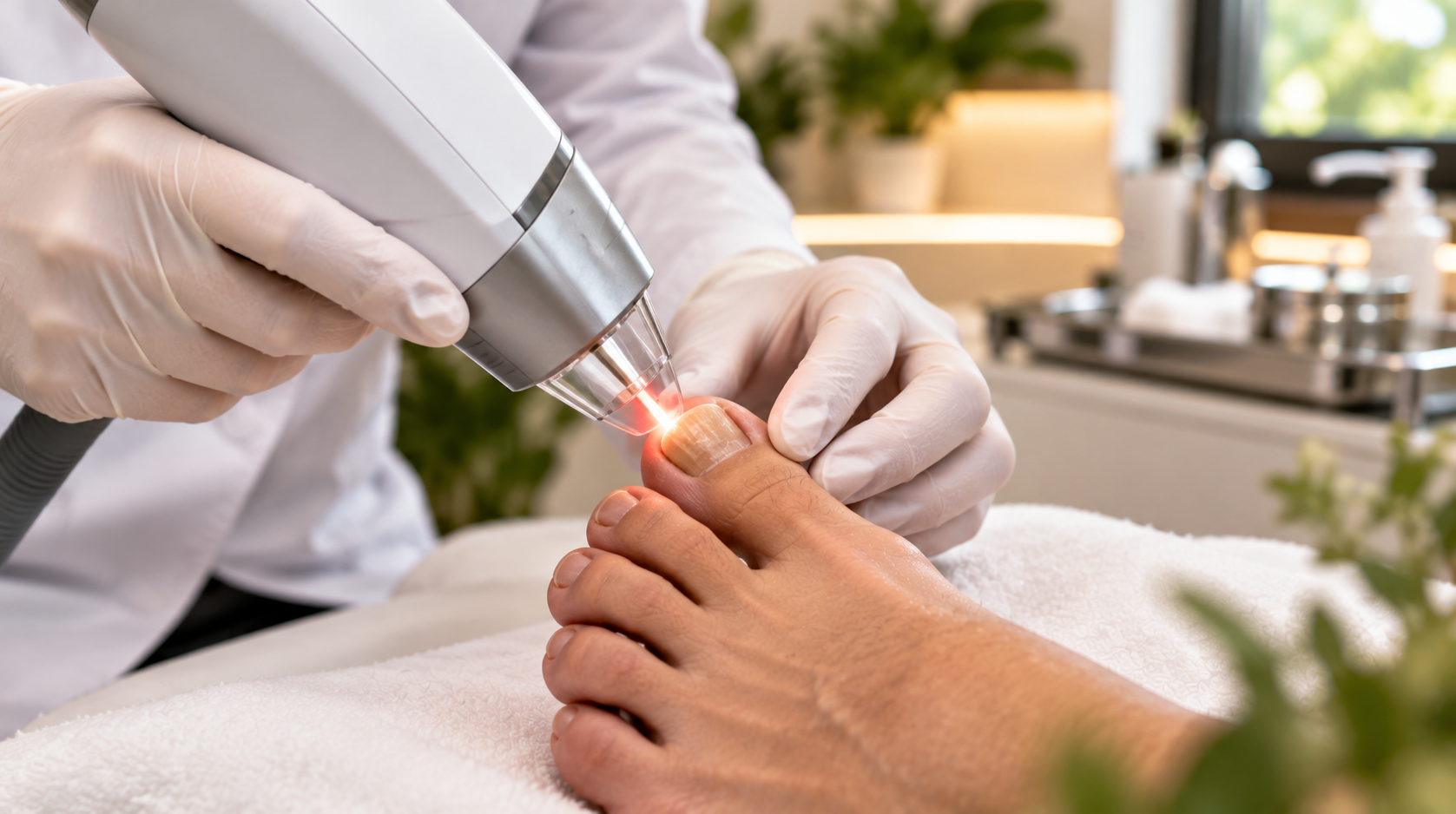
2. Laser Toenail Fungus Treatment
Laser treatment uses targeted light energy directed at the affected nail area. Certain laser systems have FDA clearance for the temporary increase of clear nail in patients with onychomycosis.
How it works: The laser delivers energy to the affected nail area. The exact mechanism and clinical outcomes depend on the device and treatment protocol.
Potential benefits:
- Doesn't require taking an oral antifungal medication
- Usually involves short, in-office sessions
- May be considered by people who cannot take oral medication or prefer to discuss non-pill options
Important considerations:
- Results vary between patients and devices.
- Laser treatment is not a guaranteed cure for the fungal infection.
- Multiple visits may be recommended.
- It may not be covered by health insurance, so check the cost before treatment.
- Your clinician may recommend combining approaches when appropriate.
Laser treatment may be worth discussing if oral antifungals aren't suitable for you. Ask your provider what the specific laser is cleared for, what results are realistic, and whether additional treatment may be needed.
3. Prescription Topical Antifungal Treatments
Prescription topical medications are applied directly to the affected nail. Depending on the product, treatment may involve a medicated solution or nail lacquer.
How they work: These medications target fungi at the nail surface and surrounding affected areas.
Potential benefits:
- Avoid the systemic exposure associated with oral medication
- May be appropriate for selected mild infections
- Can be an option for people who cannot or prefer not to take oral antifungals
Important considerations:
- Daily application may be needed for many months.
- Treatment can be less effective when the nail is very thick or extensively affected.
- Consistency is important, and results may be gradual.
Prescription topical treatment may be suitable when the infection is limited and the clinician believes medication can reach the affected area effectively.
4. Over-the-Counter Creams
Over-the-counter antifungal creams can be useful for certain fungal infections of the skin, such as athlete's foot. However, they generally do not penetrate the nail adequately to treat established toenail fungus.
If the skin between your toes is itchy, peeling, or cracked, a clinician or pharmacist can help you choose an appropriate treatment for the skin infection. Nail involvement may require a separate treatment plan.
Which Toenail Fungus Treatment Is Best for You?
Your treatment plan should reflect the diagnosis, severity of the infection, medical history, and personal preferences.
- Oral medication: Often a strong option for confirmed infections when you can safely take the medication.
- Prescription topical treatment: May be suitable for selected mild infections or when oral medication isn't preferred.
- Laser treatment: May be worth discussing if you want to avoid oral medication, provided you understand its limitations and variable results.
- Combination treatment: Your clinician may recommend more than one approach based on your individual situation.
The most important first step is an accurate diagnosis and a realistic discussion of the benefits, risks, costs, and expected timeline of each option.
How Long Does It Take for a Toenail to Look Healthy Again?
Treating the infection and growing out a healthy nail are two different stages.
Even when treatment is working, the damaged part of the nail doesn't instantly return to normal. The affected portion must gradually grow out as new nail develops from the base.
A toenail can take approximately 12–18 months to grow out completely. The timeline varies depending on the nail, the extent of the damage, your health, and whether the infection responds to treatment.
Your clinician may recommend follow-up appointments to assess progress and determine whether the treatment plan needs adjustment.
How to Reduce the Risk of Toenail Fungus Returning
Fungal nail infections can recur, so prevention is an important part of long-term care.
- Keep your feet dry: Dry your feet carefully after bathing, especially between your toes.
- Change sweaty socks: Put on clean, dry socks when your feet become damp.
- Choose breathable footwear: Avoid shoes that trap excessive moisture.
- Protect your feet in shared areas: Wear sandals in communal showers, locker rooms, and pool areas.
- Treat athlete's foot: Fungal infections of the skin can spread to the nails, so address them promptly.
- Avoid sharing nail tools: Don't share nail clippers, files, or other personal foot-care tools.
- Clean nail-care equipment: Keep tools clean and avoid using contaminated equipment.
- Check your nails regularly: Seek evaluation if discoloration, thickening, or crumbling returns.
If you have diabetes, poor circulation, or a weakened immune system, discuss nail changes with a healthcare professional rather than attempting prolonged self-treatment.
When Should You See a Doctor?
Arrange an evaluation if a toenail becomes persistently thick, discolored, brittle, or separated from the nail bed, particularly if home treatments haven't helped.
Seek prompt medical attention if you notice redness, warmth, swelling, pain, drainage, or spreading inflammation around the nail. These symptoms may indicate a more serious infection.
People with diabetes, reduced circulation, or weakened immune systems should be especially cautious because foot problems may lead to complications.
Frequently Asked Questions
Does laser toenail fungus treatment hurt?
People may experience warmth or brief heat sensations during treatment. Comfort varies by device and individual. Ask your provider what to expect with the specific laser being used.
How soon will I see results?
Improvement is gradual. You may begin to see healthier nail growing from the base after a few months, but complete toenail growth can take approximately 12–18 months.
Is laser treatment better than oral medication?
Not necessarily. Oral antifungal medication is generally more effective for many confirmed infections. Laser treatment has different benefits and limitations, and it should not be presented as a guaranteed cure. Your clinician can help you compare the options for your circumstances.
Will insurance cover laser toenail fungus treatment?
Coverage varies by insurance plan and treatment. Laser treatment is often self-pay, so confirm current pricing and coverage before booking.
Can toenail fungus come back after treatment?
Yes. Reinfection can occur, especially when feet remain damp or fungal skin infections are left untreated. Foot hygiene, appropriate footwear, and follow-up care can help reduce the risk.
Get Your Toenails Evaluated in Cumming, GA
If you're dealing with thick, discolored toenails or haven't seen improvement with over-the-counter products, the next step is to determine whether the cause is fungal and discuss appropriate treatment options.
Aspire Medical Group serves patients in Cumming and the surrounding North Atlanta communities. Contact the team to ask about an evaluation and available treatment options.
Call Aspire Medical Group at (770) 764-1234 to discuss your concerns and next steps.
Learn more through Aspire Medical Group's Laser Toenail Fungus Treatment page.
This article is for educational purposes only and does not replace a medical evaluation or individualized treatment advice. Treatment decisions should be made with a qualified healthcare professional. Medically reviewed by Dr. Nandini Sunkireddy.