
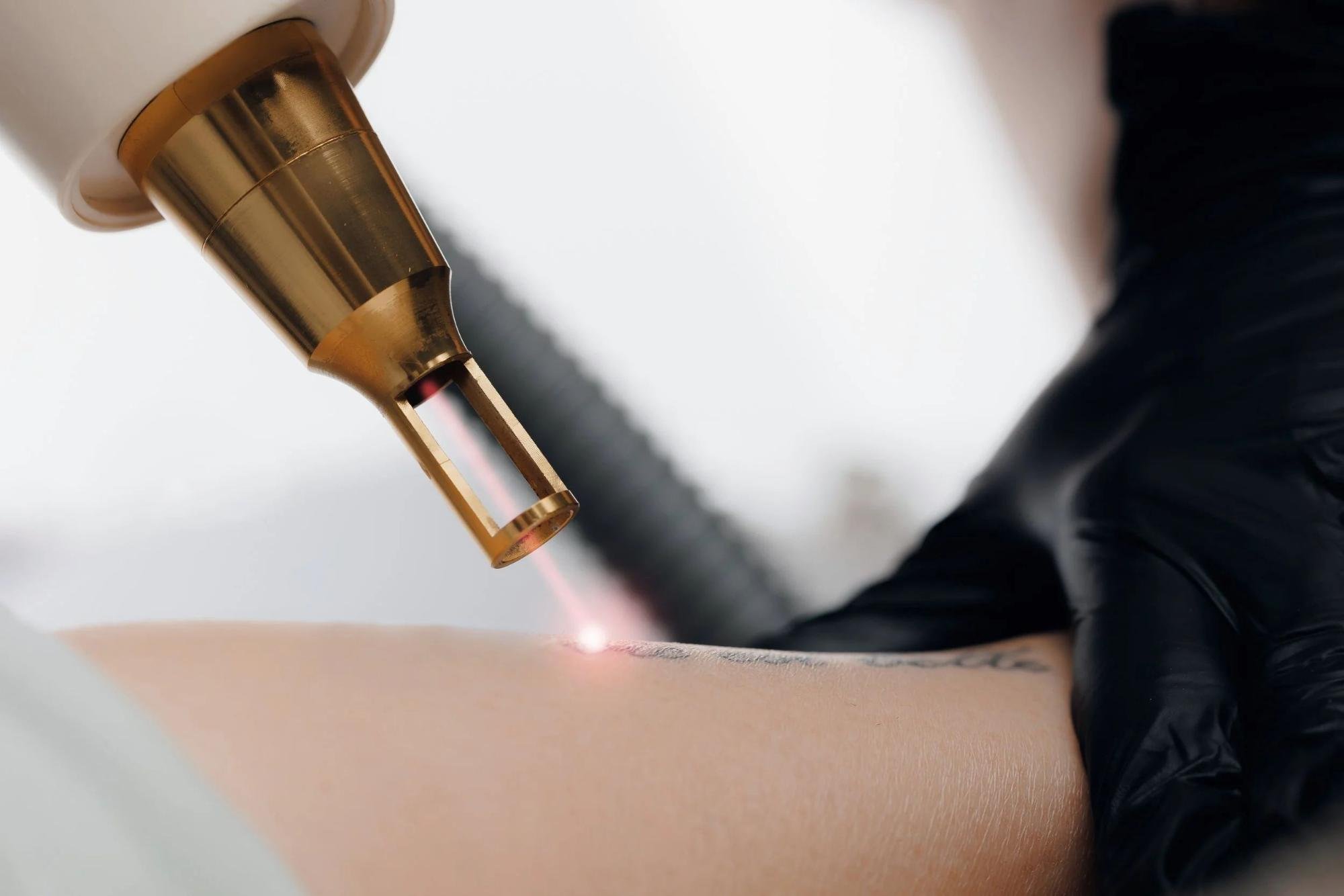
Laser Tattoo Removal FAQs in Cumming, GA
Thinking about laser tattoo removal but still have questions? Many patients come to us after years of shaving irritation, painful waxing appointments, or frustration with fast regrowth. It’s normal to want clear answers before starting treatment.
At Aspire Medical Group, we use the advanced Clarity™ dual-wavelength laser system to provide personalized laser tattoo removal treatments for different skin tones and tattoo types. Below are answers to some of the most common questions patients ask during consultations.

-
Laser tattoo removal is a non-invasive treatment that uses concentrated light energy to target the pigment inside tattoo follicles. The heat from the laser safely damages the follicle to reduce future tattoo growth over time.
Many patients choose laser tattoo removal because they are tired of temporary solutions like shaving, waxing, or plucking. In our experience, patients often appreciate not only the cosmetic improvement but also the reduction in irritation and ingrown tattoos
Common treatment areas include:Face and chin
Underarms
Arms and legs
Bikini area
Chest and back
Neck and shoulders
With a full treatment plan, many patients notice smoother skin and significantly less tattoo growth.
-
The Clarity™ laser by Lutronic combines two wavelengths: Alexandrite 755nm and Nd:YAG 1064nm. This dual-wavelength technology allows treatments to be adjusted based on skin tone, tattoo thickness, and treatment goals.
The laser works through a process called selective photothermolysis. During treatment, the laser energy targets melanin in the tattoo follicle. The follicle absorbs the heat, which helps reduce its ability to grow tattoo in the future.
This advanced approach allows for more precise treatment while helping reduce the risk of unnecessary skin irritation.
-
Laser tattoo removal is generally considered safe when performed by trained professionals using appropriate settings for your skin type and tattoo characteristics.
At Aspire Medical Group, every patient receives an individualized consultation before treatment begins. We carefully evaluate your skin tone, medical history, and treatment area to help determine the safest and most effective settings.
Many patients feel more comfortable receiving treatment in a medical setting where safety protocols and proper skin assessments are part of the process.
-
Yes. The Clarity™ system includes Nd:YAG 1064nm technology, which is commonly used for melanin-rich or darker skin tones when clinically appropriate.
We often see patients who were previously told laser tattoo removal might not be suitable for their skin type. Advances in laser technology now allow many individuals with diverse skin tones to safely receive treatment when proper settings are used.
Your consultation helps determine the most appropriate treatment approach for your specific skin and tattoo combination.
-
Most patients describe the sensation as a quick snap, mild warmth, or rubber-band-like feeling against the skin. Comfort levels can vary depending on the treatment area and personal sensitivity.
Smaller areas like the upper lip or underarms are usually completed quickly. Larger areas such as the back or full legs may take longer but are still generally well tolerated.
Our team adjusts treatment settings carefully and focuses on patient comfort throughout the session.
-
Treatment time depends on the size of the area being treated and the density of the tattoo.
Typical session times include:
Treatment Area
Approximate Time
Upper lip or chin
3–5 minutes
Underarms
5–10 minutes
Bikini area
15–20 minutes
Lower legs
20–30 minutes
Full legs or back
30–45 minutes
Many patients appreciate that treatments can often fit into a lunch break or busy schedule.
-
Laser tattoo removal works best when treatments are spaced across multiple sessions because tattoo grows in cycles. Not every tattoo follicle is active at the same time.
Most patients need a series of treatments scheduled approximately every 4–8 weeks depending on the treatment area.
In our experience, consistency is important for achieving the best long-term reduction. Some patients may also choose occasional maintenance sessions after completing their initial series.
-
Some patients notice slower regrowth or finer tattoo after the first few treatments. Treated tattoos often begin shedding days or weeks after each appointment.
More noticeable long-term reduction usually develops gradually over the course of the treatment plan. Tattoo that does return is often lighter, thinner, and less noticeable.
Results vary depending on factors such as tattoo thickness, hormonal influences, and consistency with appointments.
-
Laser tattoo removal can be performed on many parts of the body where unwanted tattoo growth occurs.
Commonly treated areas include:
Upper lip
Chin and jawline
Underarms
Arms
Legs
Bikini line
Brazilian area
Chest
Abdomen
Back
Neck
Both men and women commonly seek treatment for convenience, smoother skin, and long-term maintenance reduction.
-
Yes. Patients can usually shave or trim between laser sessions if needed.
However, waxing, plucking, and tweezing should be avoided because these methods remove the follicle that the laser is targeting. Preserving the follicle helps treatments remain effective.
If you are unsure about which tattoo removal methods are safe during your treatment series, our team can provide guidance.
-
Patients should avoid tanning before and after treatment whenever possible. Excess sun exposure may increase the risk of irritation or temporary pigment changes.
We recommend using SPF 30+ sunscreen daily, especially on treated areas that may be exposed to sunlight.
Additional laser procedures, chemical peels, or aggressive skin treatments should generally be avoided for about two weeks unless approved by your provider.
-
Most patients experience minimal downtime after treatment. Mild redness or warmth can happen temporarily and usually improves within a short period.
Helpful aftercare steps may include:
Applying aloe vera or cool compresses
Using gentle skincare products
Avoiding hot showers or saunas for 24 hours
Wearing sunscreen daily
Allowing tattoo to shed naturally
Patients should contact the office if they notice prolonged redness, blistering, or unusual skin changes.
-
Patients often want more than just access to laser technology. They also want personalized guidance, realistic expectations, and safe treatment planning.
At Aspire Medical Group, we focus on:
Physician-led care
Personalized laser settings
Treatment plans tailored to skin and tattoo type
Comfort-focused sessions
Evidence-based treatment approaches
Supportive patient education
Many patients come to us after feeling rushed elsewhere. We believe consultations should feel informative, comfortable, and individualized.
-
If you are considering laser tattoo removal in Cumming, GA, our team at Aspire Medical Group is here to help answer your questions and guide you through the process.
Schedule a consultation to learn whether laser tattoo removal may be right for your skin type, tattoo concerns, and long-term goals.