
Why NAMS Certification Matters in Menopause
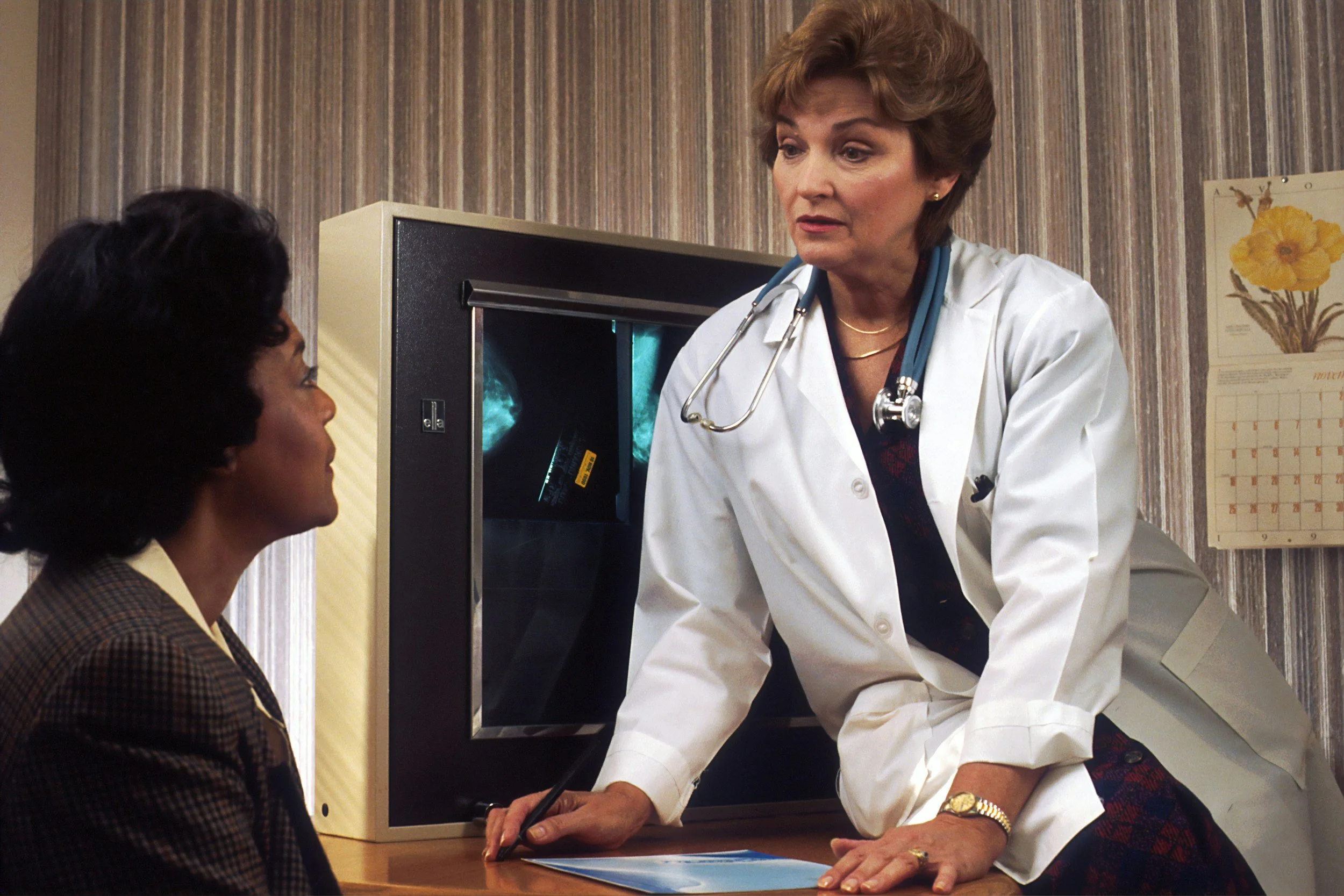
Why NAMS Certification Matters: What Every Woman Should Know Before Choosing a Menopause Specialist
Menopause is a natural stage of life, but for many women, it comes with symptoms that can affect their physical health, emotional well-being, and overall quality of life. Hot flashes, sleep disturbances, mood changes, brain fog, and hormonal shifts often require more than general medical advice—they require specialized care.
One of the best ways to ensure you're receiving evidence-based menopause care is by choosing a NAMS Certified Menopause Practitioner (NCMP).
What Is NAMS?
The North American Menopause Society (NAMS) is a leading nonprofit organization dedicated to advancing women's health during midlife and beyond.
Healthcare providers who earn the NAMS Certified Menopause Practitioner (NCMP) credential have completed advanced education and demonstrated expertise in diagnosing and managing menopause-related conditions.
Their training focuses on providing current, research-backed care for women experiencing perimenopause and menopause.
Why Should You See a Menopause Specialist?
Although many primary care physicians and OB-GYNs provide menopause care, not all receive specialized education focused specifically on menopause management.
A menopause specialist understands how hormonal changes affect multiple aspects of your health, including:
- Sleep quality
- Mood and emotional well-being
- Bone health
- Heart health
- Brain function
- Sexual wellness
- Urinary and vaginal health
Their goal is to create an individualized treatment plan that supports both symptom relief and long-term wellness.
Benefits of Choosing a NAMS Certified Menopause Practitioner
Menopause affects much more than reproductive health. Certified practitioners evaluate your overall health and develop a personalized care plan.
Evidence-Based Hormone Therapy Guidance
Whether you're considering hormone replacement therapy or exploring alternatives, a NAMS-certified provider explains your options using the latest clinical research.
Personalized Treatment Plans
Every woman experiences menopause differently. Treatment recommendations are tailored to your symptoms, medical history, and lifestyle.
Current Medical Knowledge
NAMS-certified practitioners stay updated on the latest menopause research and clinical guidelines to provide high-quality care.
Hormonal and Non-Hormonal Options
If hormone therapy isn't appropriate, your provider can recommend effective non-hormonal treatments and lifestyle strategies.
Menopause Is About More Than Hot Flashes
Declining estrogen levels can affect nearly every system in the body.
Menopause may contribute to:
- Bone loss and osteoporosis
- Increased cardiovascular risk
- Brain fog and cognitive changes
- Sleep disturbances
- Mood changes
- Vaginal dryness
- Urinary symptoms
- Reduced quality of life
Specialized menopause care addresses both immediate symptoms and your long-term health.
Common Mistakes Women Make
Many women delay getting the care they need.
Common mistakes include:
- Assuming symptoms are simply part of aging.
- Waiting until symptoms become severe.
- Choosing a provider without specialized menopause training.
- Depending solely on online information.
- Avoiding discussions about hormone therapy due to outdated misconceptions.
Early evaluation often leads to better symptom management and improved long-term health.
Tips for Preparing for Your Appointment
To get the most from your visit:
- Keep a record of your symptoms.
- Track changes in your menstrual cycle.
- Bring a list of medications and supplements.
- Prepare questions about treatment options.
- Discuss your family medical history, including osteoporosis, heart disease, and breast cancer.
Being prepared helps your provider develop the most effective care plan.
Finding a NAMS Certified Menopause Specialist
If you're looking for specialized menopause care in Cumming, GA, Aspire Medical Group provides compassionate, evidence-based care tailored to every stage of menopause.
A NAMS Certified Menopause Practitioner can help you understand your symptoms, evaluate treatment options, and create a personalized plan that supports your health today and for years to come.
Conclusion
Menopause is a significant life transition that deserves expert medical guidance.
Choosing a NAMS Certified Menopause Practitioner means working with a healthcare provider who has advanced training, current clinical knowledge, and the expertise to provide personalized, evidence-based menopause care.
With the right support, you can confidently manage symptoms, protect your long-term health, and improve your overall quality of life.
Frequently Asked Questions (FAQs)
- What is a NAMS Certified Menopause Practitioner?
A NAMS Certified Menopause Practitioner (NCMP) is a licensed healthcare provider with specialized training in menopause management, hormone therapy, and women's midlife health.
- Is hormone replacement therapy safe?
For many healthy women under age 60 or within 10 years of menopause, hormone therapy can be a safe and effective treatment option. Your provider will evaluate your individual health needs before making recommendations.
- What is the difference between a menopause specialist and a general gynecologist?
A menopause specialist has advanced education focused specifically on menopause care, while a general gynecologist provides broader reproductive healthcare.
- Can menopause specialists provide telemedicine appointments?
Yes. Many NAMS Certified Menopause Practitioners offer virtual consultations and follow-up appointments when appropriate.
- When should I see a menopause specialist?
If menopause symptoms are affecting your daily life, previous treatments haven't helped, or you have questions about hormone therapy, specialized menopause care may be beneficial.
- What's the difference between perimenopause and menopause?
Perimenopause is the transition leading up to menopause, when hormone levels fluctuate and symptoms begin. Menopause is officially diagnosed after 12 consecutive months without a menstrual period.