
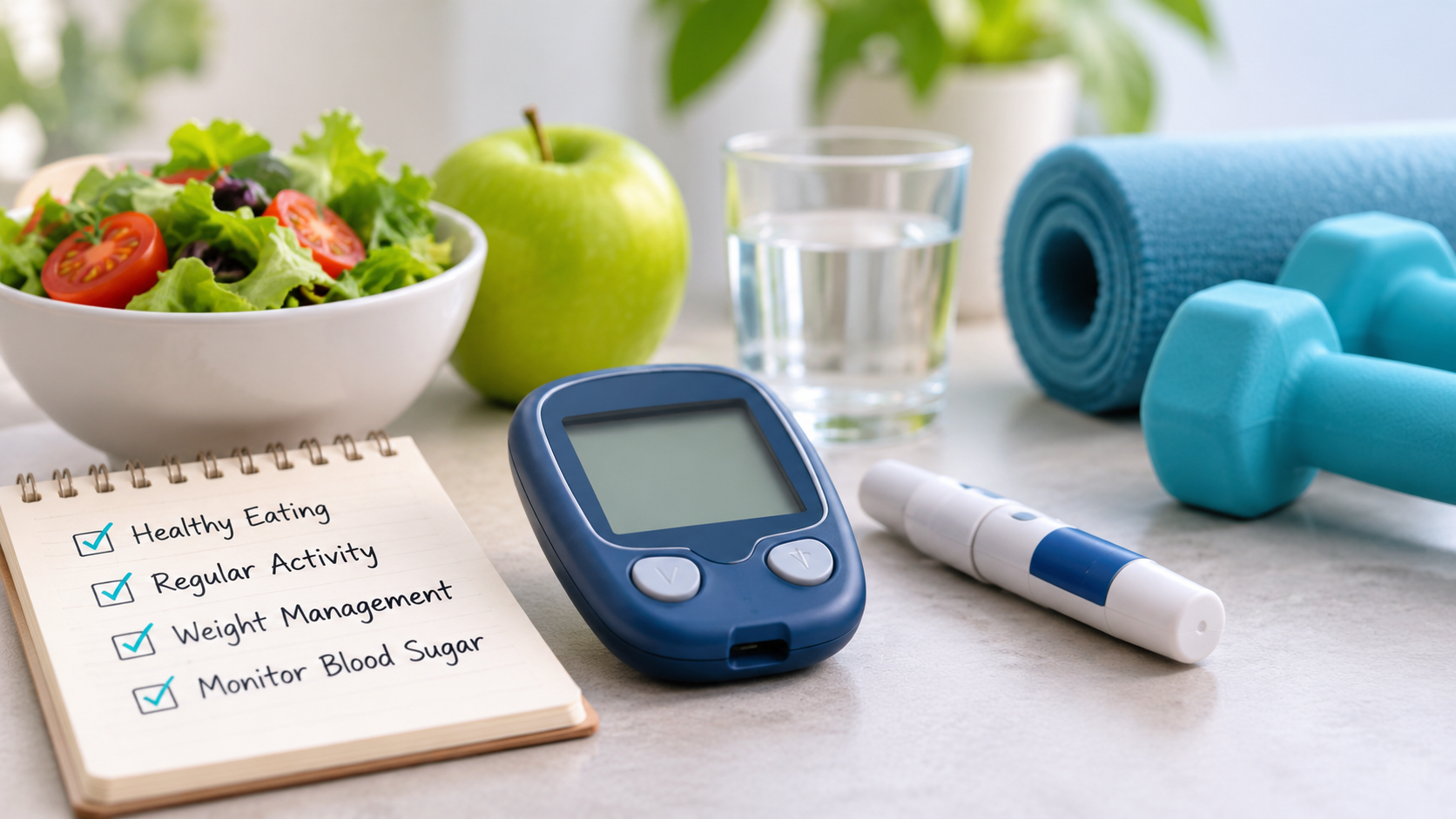
Prediabetes occurs when blood glucose levels are higher than normal but not high enough to meet the diagnostic criteria for type 2 diabetes. It often causes no obvious symptoms, so some people discover it through routine blood work or an evaluation of risk factors. Identifying elevated blood glucose gives patients and providers an opportunity to discuss steps that may reduce the risk of developing type 2 diabetes.
Who May Be at Higher Risk?
- A family history of type 2 diabetes
- Overweight or obesity
- Limited physical activity
- A history of gestational diabetes
- Certain age-related and metabolic risk factors
How Is Prediabetes Diagnosed?
Healthcare professionals may use tests such as the A1C test, fasting plasma glucose test, or oral glucose tolerance test. The appropriate test and interpretation depend on your circumstances. Your provider can explain your results and determine whether additional testing or follow-up is needed.
What Can You Do Next?
Depending on your health needs, your care plan may include sustainable nutrition changes, regular physical activity, weight management when appropriate, and repeat testing. Focus on realistic habits you can maintain and a monitoring plan recommended by your clinician.
Next Steps
Aspire Medical Group provides primary care in Cumming and surrounding North Atlanta communities. Visit Aspire Medical Group to learn about services.
Frequently Asked Questions
Can prediabetes occur without symptoms?
Yes. Prediabetes commonly has no obvious symptoms and may be identified through blood tests.
Which tests can identify prediabetes?
Clinicians may use an A1C test, fasting plasma glucose test, or oral glucose tolerance test. Your provider can explain which test is suitable and interpret the result.
Can prediabetes be reversed?
Some people can return blood glucose levels to the normal range through sustainable lifestyle changes and, in selected cases, medication. Results vary, and ongoing monitoring may still be important.
What should I do if my test shows prediabetes?
Discuss the result with your healthcare provider. They can help plan appropriate lifestyle changes, follow-up testing, and other steps based on your risk factors.