
Laser Aesthetics 101: How It Works and What to Expect in 2026
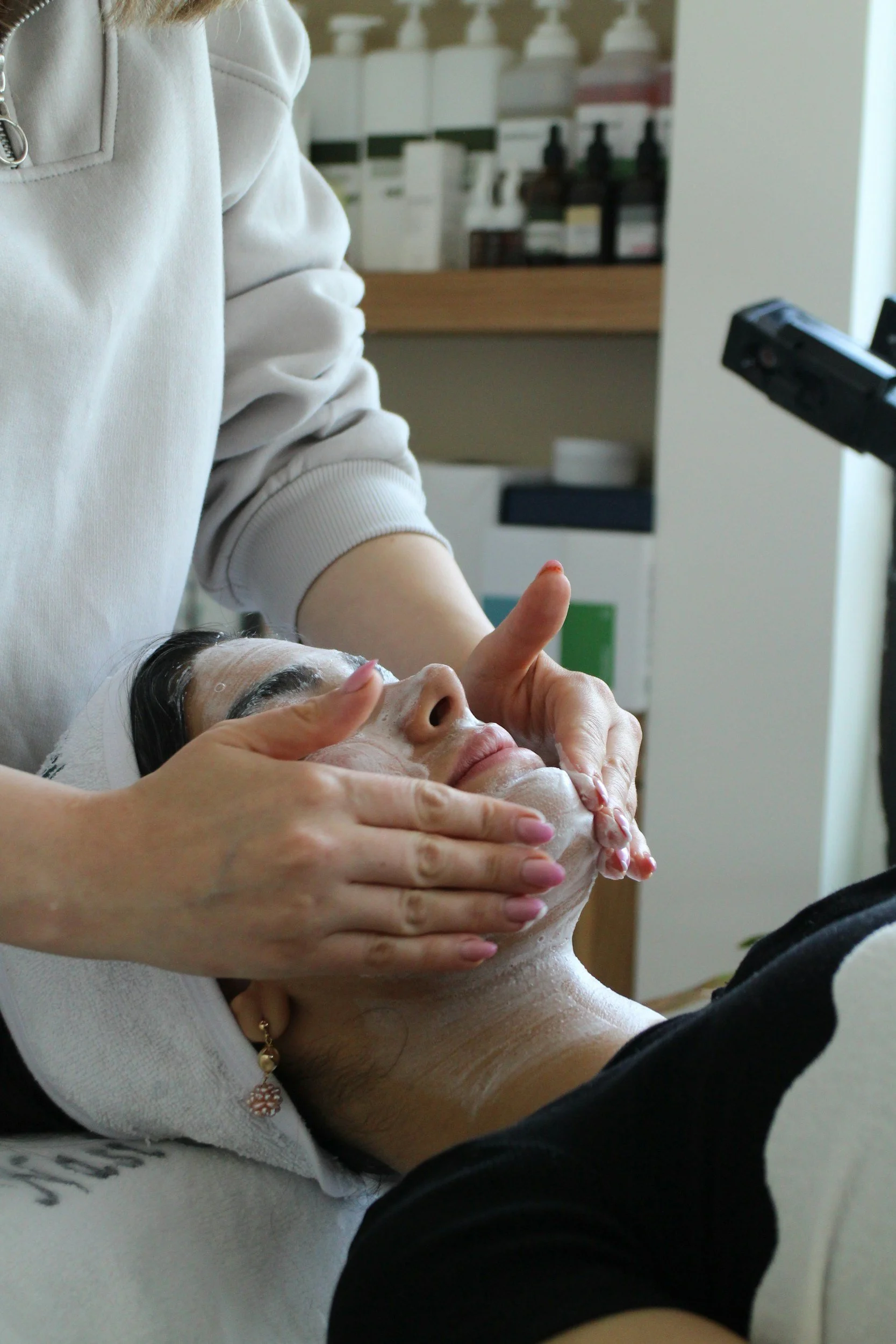
Laser treatments have become one of the most talked-about options in modern skincare. Whether someone wants to reduce acne scars, soften wrinkles, fade pigmentation, or improve overall skin texture, laser technology now offers solutions that are more advanced and personalized than ever before.
In 2026, laser aesthetics is no longer limited to celebrities or dramatic cosmetic procedures. Many people now consider laser treatments part of regular skin maintenance, much like facials or dermatology visits. At the same time, the growing popularity of these procedures has also created confusion. With terms like CO2 resurfacing, fractional lasers, and non-ablative treatments everywhere online, it can be difficult to understand what actually works and what to realistically expect.
This guide explains how laser treatments work, the different types available, possible risks, recovery timelines, and how to decide whether laser therapy is right for your skin goals.
Understanding Laser Aesthetic Treatments in 2026
What Laser Aesthetic Treatments Are
Laser aesthetics refers to cosmetic skin procedures that use focused light energy to improve the skin’s appearance. Different laser wavelengths target specific concerns such as pigmentation, acne scars, redness, wrinkles, or loose skin.
The word LASER stands for “Light Amplification by Stimulated Emission of Radiation.” In skincare, that light energy is carefully controlled and directed into the skin to trigger healing and collagen production.
Modern laser systems are designed to work with greater precision than older technologies. Dermatologists and aesthetic physicians can now customize treatments based on skin tone, skin thickness, sensitivity, and the exact concern being treated.
For example, someone dealing with acne scars may need a completely different laser setting compared to a person treating sunspots or early signs of aging.
Causes of Common Skin Concerns Treated With Lasers
Laser treatments are commonly used because many skin concerns develop over time due to a mix of environmental and biological factors.
Some of the most common causes include:
Sun Damage
Years of UV exposure can lead to pigmentation, uneven tone, wrinkles, and rough texture. Even people who use sunscreen regularly may develop sun damage over time.
Acne and Acne Scarring
Inflammatory acne can damage deeper layers of skin, leaving behind scars and uneven texture long after breakouts heal.
Aging and Collagen Loss
As people age, collagen production naturally slows down. This causes fine lines, wrinkles, sagging skin, and loss of firmness.
Hormonal Changes
Hormonal fluctuations can contribute to melasma, pigmentation, redness, and changes in skin texture.
Lifestyle Factors
Stress, smoking, poor sleep, dehydration, and pollution can accelerate skin aging and dullness.
Laser treatments do not stop aging completely, but they can help improve the visible effects of these changes.
Symptoms and Skin Concerns Lasers Can Improve
People usually consider laser treatments when they notice visible skin concerns that skincare products alone cannot fully address.
Common issues treated with laser procedures include:
Acne scars
Fine lines and wrinkles
Uneven skin tone
Sunspots and pigmentation
Enlarged pores
Redness and visible blood vessels
Skin laxity
Rough texture
Dull skin appearance
A person in their late 20s may choose non-ablative laser therapy for early collagen stimulation, while someone in their 40s or 50s may prefer deeper resurfacing treatments for more dramatic correction.
Risks and Side Effects of Laser Treatments
Although laser procedures are generally considered safe, they are still medical aesthetic treatments and should not be treated casually.
The risk level depends on the type of laser, skin type, aftercare, and provider experience.
Common temporary side effects include:
Redness and Swelling
Most patients experience mild redness immediately after treatment. This may last a few hours to several days.
Dryness and Peeling
Resurfacing lasers often cause peeling as old skin sheds and new skin forms underneath.
Temporary Pigmentation Changes
Darker skin tones can sometimes develop post-inflammatory hyperpigmentation if treatments are too aggressive or improperly performed.
Sensitivity
The treated skin may feel warm, tight, or sensitive for a short period.
More serious complications like infection or scarring are rare when procedures are performed by trained professionals using appropriate settings.
One common mistake people make is choosing treatment centers based only on low pricing rather than provider experience. A proper consultation and skin assessment matter just as much as the technology itself.
Types of Laser Treatments Available in 2026
Laser technology has evolved significantly, and treatments are now more targeted and customizable.
Ablative Lasers
Ablative lasers remove the outer layer of skin while heating deeper layers to stimulate collagen production.
These are commonly used for:
Deep wrinkles
Advanced sun damage
Acne scars
Severe texture irregularities
CO2 laser resurfacing remains one of the most effective ablative treatments for significant skin rejuvenation.
Because the treatment is intensive, downtime may range from several days to two weeks.
Non-Ablative Lasers
Non-ablative lasers work beneath the skin surface without removing outer layers.
These treatments are often chosen for:
Mild pigmentation
Early aging signs
Skin tightening
Preventive collagen stimulation
Recovery time is minimal, making them popular among working professionals who cannot take extended downtime.
Results usually appear gradually over multiple sessions.
Fractional Lasers
Fractional laser systems treat microscopic portions of the skin rather than the entire surface.
This approach allows:
Faster healing
Reduced downtime
Improved precision
Safer treatment for various skin types
Fractional CO2 lasers are especially popular for acne scars because they balance effectiveness with manageable recovery.
Treatment Process: What to Expect
One of the biggest concerns people have before laser treatment is uncertainty about the procedure itself.
Understanding the process can help reduce anxiety and improve preparation.
Before the Procedure
Most laser treatments begin with a consultation.
The provider typically evaluates:
Skin type
Medical history
Current skincare routine
Sun exposure habits
Treatment goals
Patients are often advised to avoid tanning, harsh exfoliants, and certain medications before treatment.
In some cases, a patch test may be performed.
During the Procedure
The treatment area is cleaned thoroughly before the session begins.
Depending on the laser intensity, a numbing cream may be applied for comfort.
During the procedure, patients may feel:
Mild heat
Snapping sensations
Tingling
Temporary discomfort
Most sessions last between 20 minutes and one hour.
After the Procedure
Recovery depends on the laser type and intensity.
After treatment, the skin may appear:
Pink or red
Slightly swollen
Dry or flaky
Patients are usually advised to:
Avoid direct sun exposure
Use gentle skincare products
Apply sunscreen consistently
Avoid picking peeling skin
Collagen remodeling continues for weeks or even months after treatment, which means improvements often continue gradually.
Treatment Results and Number of Sessions
Results vary depending on skin condition, age, and treatment type.
Some examples include:
Mild Pigmentation
Often improves after 2–3 sessions.
Acne Scars
May require 3–6 sessions for noticeable texture improvement.
Deep Wrinkles
CO2 resurfacing can sometimes produce visible improvement in one or two stronger sessions.
Many people expect instant results after laser procedures, but skin healing takes time. While some improvements are visible early, the best results often appear several months later as collagen rebuilds.
Prevention Tips for Maintaining Healthy Skin
Laser treatments can improve skin quality, but daily habits still play a major role in maintaining results.
Wear Sunscreen Daily
Sun protection remains the most important step for preventing premature aging and pigmentation recurrence.
Follow a Consistent Skincare Routine
Gentle cleansing, hydration, and targeted ingredients like retinoids or antioxidants can support long-term skin health.
Avoid Smoking
Smoking reduces collagen production and slows healing.
Stay Hydrated
Hydrated skin tends to recover better and maintain elasticity.
Avoid Over-Treating the Skin
Using too many active skincare ingredients after laser procedures can increase irritation and sensitivity.
Consistency matters more than aggressive routines.
When to See a Doctor
Laser treatments should always begin with a professional consultation, especially if someone has:
Persistent acne scars
Sudden pigmentation changes
Active skin infections
Rosacea
Sensitive skin conditions
A history of keloid scarring
People with darker skin tones should also consult experienced providers familiar with laser settings designed for melanin-rich skin.
If redness, swelling, pain, or peeling lasts longer than expected after a treatment, medical follow-up is important.
Frequently Asked Questions
Are laser skin treatments painful?
Most treatments involve mild discomfort rather than severe pain. Numbing cream is commonly used for stronger resurfacing procedures.
Is CO2 laser resurfacing worth it?
For deep acne scars, wrinkles, and advanced sun damage, CO2 resurfacing is often considered one of the most effective options available.
How long does laser recovery take?
Recovery can range from one day for mild non-ablative treatments to two weeks for deeper ablative resurfacing.
Can laser treatments work on darker skin tones?
Yes, but treatment settings must be customized carefully to reduce the risk of pigmentation issues.
How long do laser results last?
Results can last months or years depending on skincare habits, sun protection, aging, and lifestyle factors.
Can lasers completely remove acne scars?
Lasers can significantly improve acne scars, but complete removal is not always possible. Most patients see noticeable texture improvement rather than total elimination.
Conclusion
Laser aesthetics in 2026 has become more precise, safer, and more personalized than ever before. From collagen stimulation to advanced resurfacing, modern laser technology can improve a wide range of skin concerns with less downtime and better outcomes than older treatments.
Still, realistic expectations are important. Laser procedures are not instant fixes, and results depend on skin condition, treatment type, aftercare, and consistency.
For many people, the best outcomes come from combining professional guidance with long-term skincare habits. Taking time to understand the procedure, choosing experienced providers, and following proper aftercare can make a significant difference in both safety and results.
Healthy, smoother-looking skin usually starts with informed decisions rather than quick trends.