
High Blood Pressure Without Symptoms: Why Regular Monitoring Matters
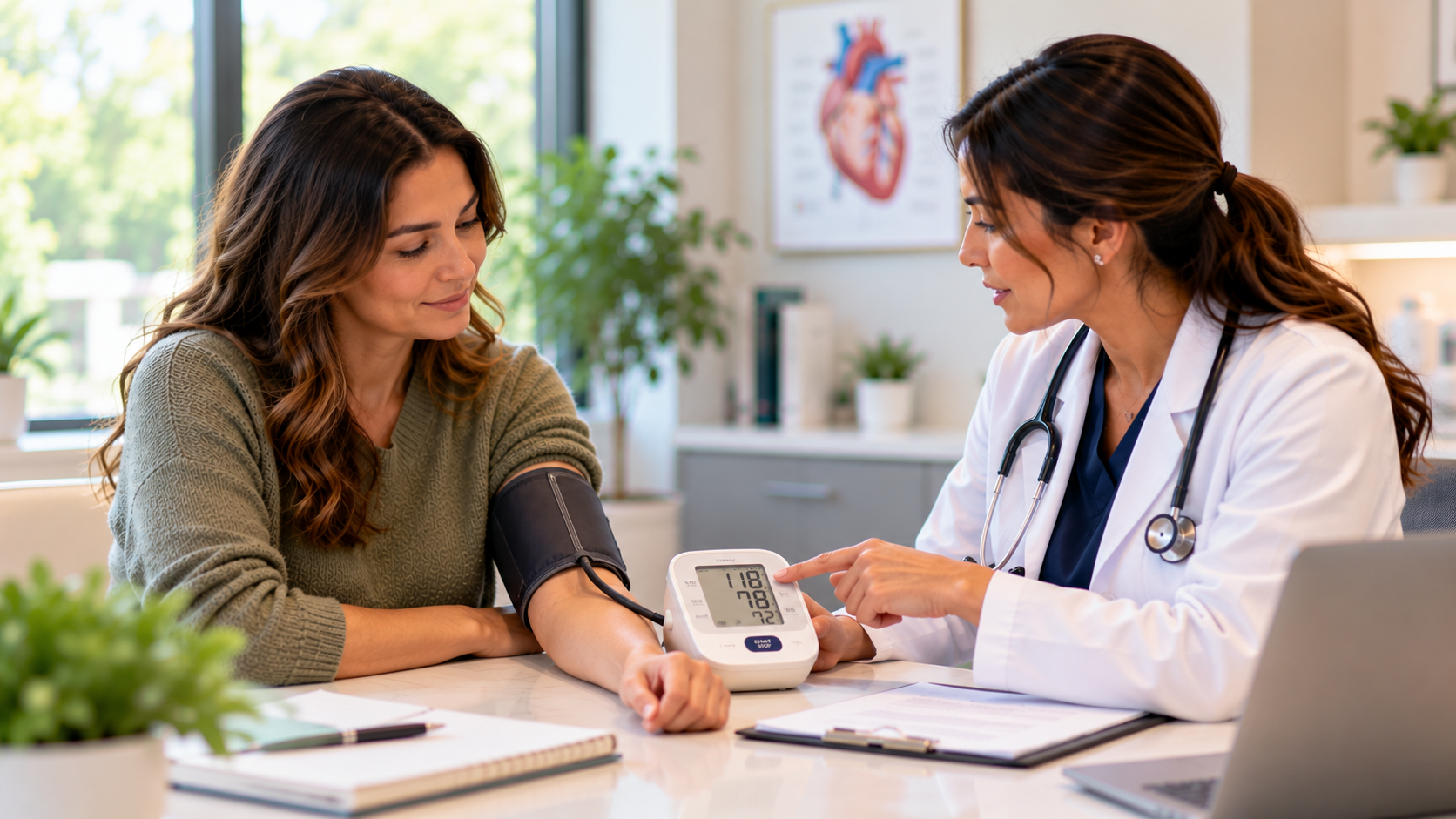
High blood pressure, also called hypertension, does not always cause noticeable symptoms. A person may feel well while their blood pressure remains elevated. Routine health assessments and appropriate monitoring can help identify a concern before complications develop.
Understanding why blood pressure monitoring matters, how to measure it accurately, and when to seek medical attention can help you take a more informed approach to your health.
Key Takeaways
- High blood pressure can occur without symptoms. Feeling well does not necessarily mean your blood pressure is within a healthy range.
- Regular monitoring can help identify concerns. Appropriate measurements provide useful information for you and your healthcare provider.
- One elevated reading does not always establish a diagnosis. Measurement conditions and repeat readings may need to be considered.
- Correct measurement technique matters. Preparation, posture, and cuff fit can affect readings.
- Very high readings require prompt attention. Certain symptoms alongside a very high reading may indicate a medical emergency.
You Can Have High Blood Pressure Without Feeling Different
High blood pressure often develops without obvious warning signs. Some people may have elevated readings for a long time without experiencing symptoms they can easily recognise.
This is one reason routine health assessments and appropriate blood pressure monitoring are important. Waiting until you feel unwell may mean that elevated blood pressure goes unnoticed.
Regular measurements can help identify readings that deserve further assessment and give your healthcare provider useful information when discussing your cardiovascular health.
Why Blood Pressure Monitoring Matters
Blood pressure measures the force of blood against the walls of your arteries. Persistently high readings can increase the risk of cardiovascular disease, stroke, and other complications.
Monitoring can help you and your healthcare provider:
- Identify readings that may need further assessment.
- Observe patterns over time.
- Evaluate whether a management plan is working.
- Discuss lifestyle changes or treatment when appropriate.
- Make informed decisions about follow-up care.
A single elevated measurement does not necessarily establish a diagnosis of hypertension. Stress, recent physical activity, caffeine, measurement technique, and other factors can affect readings.
Your healthcare provider may recommend repeat measurements or home monitoring to better understand your blood pressure over time.
How to Measure Blood Pressure More Accurately
If you measure your blood pressure at home, following a consistent technique can help improve the usefulness of your readings.
1. Avoid Certain Activities Before Measuring
Avoid exercise, smoking, and caffeine for at least 30 minutes before taking a reading. If you have just finished a busy activity, allow yourself time to settle before measuring.
2. Sit Quietly Before Taking a Reading
Sit quietly for at least five minutes before measuring your blood pressure. Try not to talk or use your phone during this period.
3. Use the Correct Position
For a more reliable measurement:
- Keep your back supported.
- Place both feet flat on the floor.
- Keep your legs uncrossed.
- Support your arm at heart level.
- Use a properly fitting upper-arm cuff on bare skin.
4. Follow a Consistent Routine
Follow your healthcare provider's instructions about when to measure your blood pressure and whether to take repeat readings.
Record your readings as instructed, including the date and time. Sharing these records with your provider can help them understand your measurements in context.
When Should You Seek Medical Attention?
Blood pressure readings should be interpreted in context, but very high readings require prompt attention.
A reading around 180/120 mm Hg or higher is considered severely elevated. If you obtain a reading in this range, wait at least one minute and measure again.
- If the reading remains very high: Contact a healthcare professional urgently for guidance.
- If you also experience chest pain, shortness of breath, weakness, numbness, vision changes, or difficulty speaking: Call 911 immediately. Do not wait for another reading or a routine appointment.
If your readings are repeatedly elevated but you do not have emergency symptoms, arrange a discussion with your healthcare provider to determine appropriate next steps.
Blood Pressure Monitoring and Primary Care at Aspire Medical Group
Monitoring your blood pressure can help you better understand your health, even when you feel completely well. If you have concerns about your readings or want to discuss cardiovascular risk factors, a primary care appointment can help you understand what follow-up may be appropriate.
Aspire Medical Group in Cumming, Georgia, provides primary care to help patients discuss health concerns and individualised management plans.
Visit Aspire Medical Group to learn more about the practice and its services.
Frequently Asked Questions
Can high blood pressure occur without symptoms?
Yes. High blood pressure often causes no noticeable symptoms, which is why appropriate screening and monitoring matter.
Does one high blood pressure reading mean I have hypertension?
Not always. Clinicians often consider repeat readings and the circumstances in which the measurement was taken before diagnosing hypertension. Follow your healthcare provider's instructions.
How often should I check my blood pressure at home?
The recommended schedule depends on your health and treatment plan. Ask your healthcare provider how often to measure your blood pressure and how to record your readings.
When is high blood pressure an emergency?
A reading around 180/120 mm Hg or higher needs prompt attention. If it remains very high after repeating the measurement, contact a healthcare professional urgently. Call 911 if you also experience chest pain, shortness of breath, weakness, numbness, vision changes, or difficulty speaking.
References
Medical disclaimer: This article is for educational purposes only and does not replace personalised medical advice, diagnosis, or treatment. Consult a qualified healthcare professional about your individual health needs. Clinical review and approval should be completed by the clinic before publication.